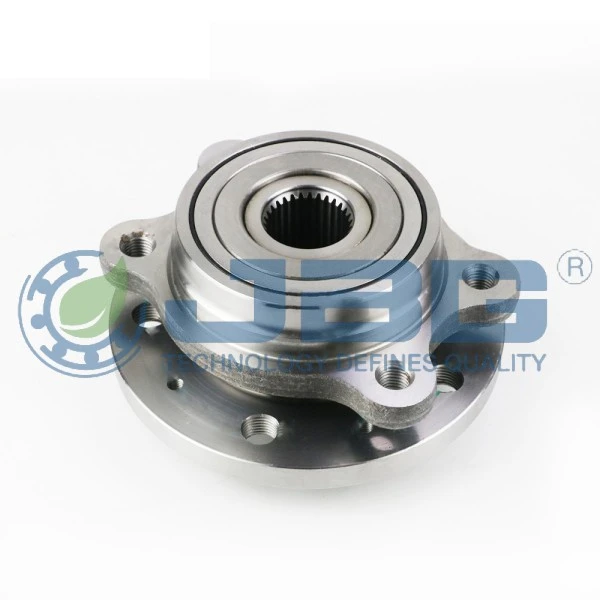
Wheel hub bearing part numbers typically consist of a combination of letters and numbers that convey information regarding structural type, dimensions, and design characteristics. While specific coding conventions may vary slightly between manufacturers, the underlying logic remains consistent. Generally, prefix letters indicate the bearing type-such as angular contact ball bearings, tapered roller bearings, or integrated hub units-facilitating quick identification of the structural configuration.
The numeric portion of the part number usually denotes basic dimensional parameters, such as the inner diameter, outer diameter series, and width class. In certain standardization systems, these numbers may correspond to specific dimension series codes that distinguish products based on load-bearing capacity and structural configuration. For instance, within a given series, a higher number often signifies larger dimensions or a higher load-bearing capacity, though specific details should always be verified against relevant standards or manufacturer manuals.
Additionally, some part numbers include suffix letters to indicate supplementary features or structural enhancements-such as the inclusion of an ABS sensor, sealing specifications, or a reinforced design. Such suffix information is crucial for component selection, as it directly determines compatibility with the vehicle's electronic systems and operational environment requirements.
In summary, wheel hub bearing part numbers serve not merely as product identifiers but as a comprehensive reflection of structural characteristics and performance specifications. A proper understanding of these part numbers facilitates accurate selection, helps prevent installation errors, and ensures optimal compatibility and reliability within the vehicle system.